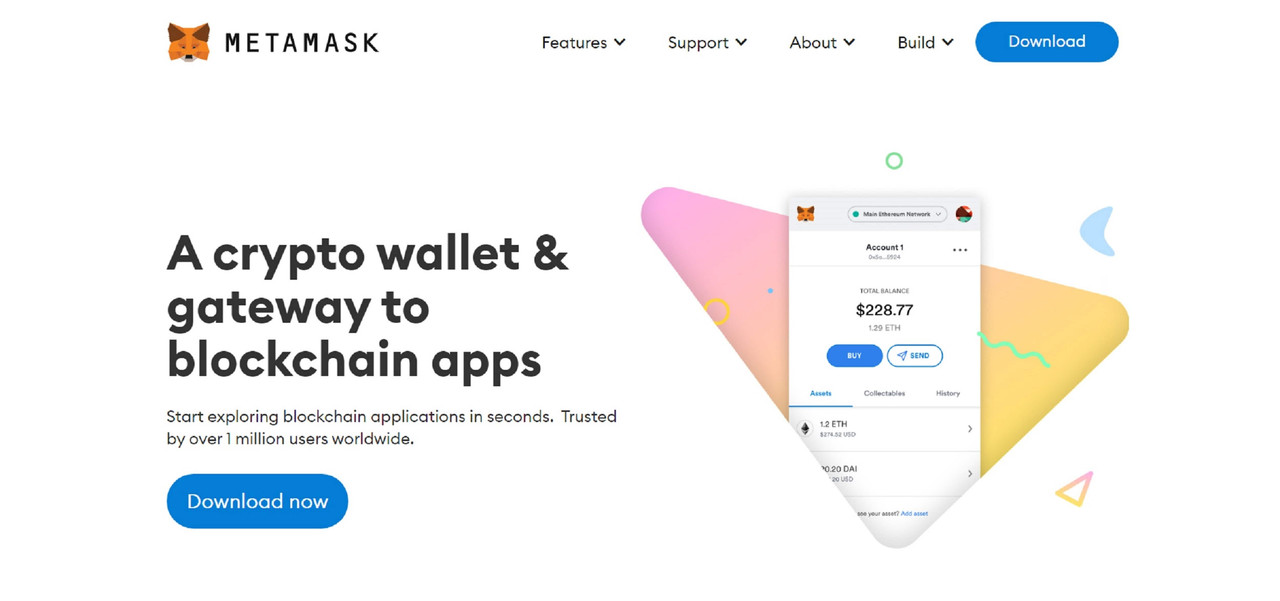
MetaMask Wallet is one of the most popular cryptocurrency wallets in the world and a primary gateway to the decentralized web. It allows users to securely manage digital assets, interact with decentralized applications, and participate in decentralized finance without relying on centralized intermediaries. MetaMask is designed to be accessible to beginners while offering advanced functionality for experienced Web3 users. This unofficial educational guide explains MetaMask Wallet in depth, covering setup, features, security, and best practices.
What Is MetaMask Wallet?
MetaMask is a non-custodial cryptocurrency wallet available as a browser extension and mobile application. Non-custodial means users retain full control of their private keys, which are stored locally and encrypted on the device. MetaMask primarily supports Ethereum and Ethereum Virtual Machine (EVM) compatible networks, making it a core tool for interacting with Web3 services.
The Importance of MetaMask in Web3
MetaMask acts as a bridge between traditional web browsers and blockchain networks. It enables users to authenticate with decentralized applications, sign transactions, and manage digital identities. Without MetaMask or similar wallets, accessing Web3 services such as DeFi protocols, NFT marketplaces, and blockchain games would be significantly more complex.
Getting Started with MetaMask
Setting up MetaMask begins with installing the wallet extension or mobile app. During setup, users can create a new wallet or import an existing one using a recovery phrase. MetaMask guides users step by step, making the onboarding process simple while emphasizing essential security practices.
Recovery Phrase and Wallet Backup
When creating a wallet, MetaMask generates a 12-word recovery phrase. This phrase is the master key to the wallet and must be stored securely offline. If the device is lost, damaged, or replaced, the recovery phrase is required to restore access. Anyone with access to this phrase can control the wallet’s funds, making its protection critical.
Supported Networks and Tokens
MetaMask supports Ethereum and a wide range of EVM-compatible networks, including popular Layer 2 solutions. Users can add custom networks manually and manage thousands of tokens within a single interface. This flexibility allows MetaMask to support diverse blockchain ecosystems.
Sending and Receiving Cryptocurrency
Sending cryptocurrency with MetaMask involves entering the recipient address, selecting the asset, and confirming the transaction. MetaMask provides transparent fee information, helping users understand gas costs before approval. Receiving crypto is straightforward and requires only sharing the wallet address.
Connecting to Decentralized Applications
MetaMask is widely used to connect to decentralized applications. When a dApp requests access, MetaMask displays a prompt asking the user to approve or deny the connection. This permission-based system gives users control over which applications can interact with their wallet.
DeFi Access and Token Swaps
MetaMask enables access to decentralized finance services such as token swaps, lending, borrowing, and staking. Built-in swap functionality aggregates liquidity from multiple decentralized exchanges, allowing users to compare prices and execute trades directly within the wallet.
NFT Management
MetaMask supports non-fungible tokens on compatible networks. Users can view, store, and transfer NFTs directly from their wallet, providing a secure way to manage digital collectibles without relying on centralized platforms.
Security Architecture
MetaMask stores private keys locally and encrypts them using a password chosen by the user. Keys are never shared with MetaMask servers or third parties. This design reduces exposure to online threats while enabling seamless Web3 interactions.
Best Security Practices
- Never share your recovery phrase or private keys.
- Only connect MetaMask to trusted websites and dApps.
- Carefully review transaction details before confirming.
- Use strong passwords and device-level security.
- Keep MetaMask software updated.
MetaMask Mobile Wallet
In addition to browser extensions, MetaMask offers a mobile wallet for iOS and Android devices. The mobile app includes a built-in Web3 browser, allowing users to access decentralized applications securely from their smartphones.
Common Mistakes to Avoid
Common mistakes include approving malicious transactions, connecting to phishing websites, and failing to back up the recovery phrase. Staying informed and cautious significantly reduces the risk of losing digital assets.
Who Should Use MetaMask Wallet?
MetaMask is suitable for anyone interested in Ethereum, Web3, DeFi, and NFTs. It serves beginners exploring decentralized applications and advanced users who require flexible network management and smart contract interaction.
The Future of MetaMask
As Web3 adoption grows, MetaMask continues to evolve with enhanced security, improved usability, and expanded network support. Its position as a core Web3 wallet makes it an essential tool for participating in the decentralized economy.
Conclusion
MetaMask Wallet provides a powerful and accessible way to manage digital assets and interact with the decentralized web. By offering full control over private keys, supporting multiple networks, and enabling seamless Web3 access, MetaMask empowers users to explore blockchain technology with confidence. This guide serves as an educational overview to help users understand MetaMask’s role in modern crypto and Web3 usage.